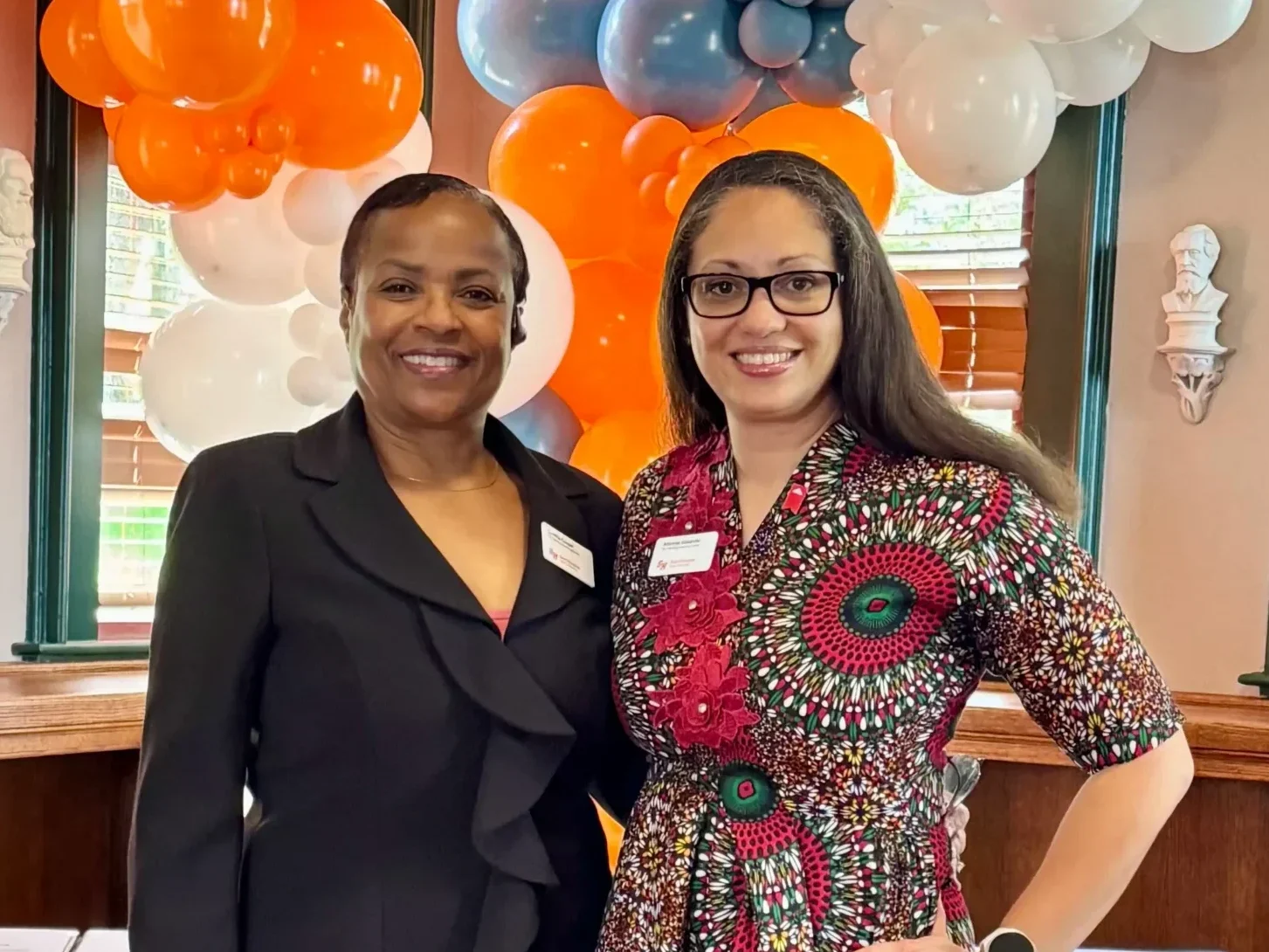
Co-Author, Adannaa Alexander, Clinical Associate Professor & Associate Director of Development, Sam Houston State University
One Sam Houston State University (SHSU) student, Priya, recalled that Public Budgeting and Finance and Program Evaluation were two subjects she “honestly dreaded taking at first.” She expected the material to feel overwhelming and disconnected from the real-world. But by the end of her courses with professor Aisha Ahmadu, Priya shared, “Dr. Ahmadu completely changed my perspective.”
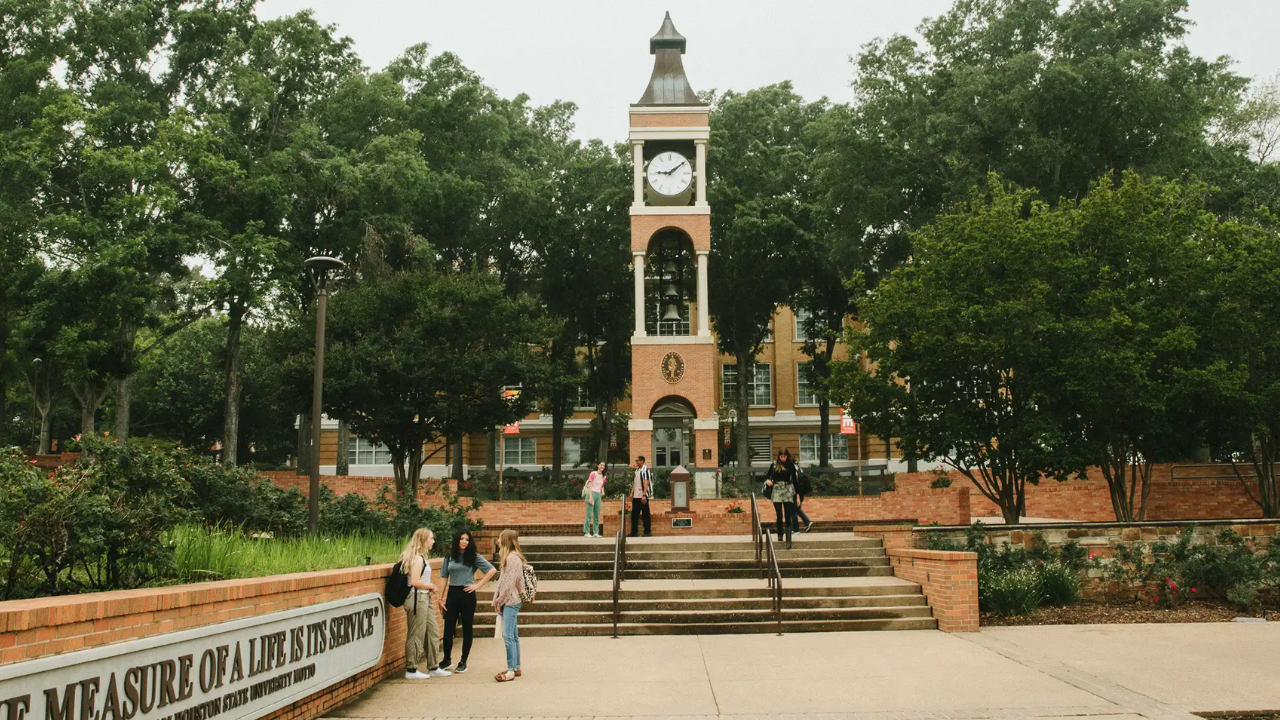
SHSU has been a valued ACUE partner since 2017, demonstrating a sustained commitment to evidence-based instruction. Since the partnership began, more than 242 faculty members have earned ACUE certification. SHSU’s own research shows that ACUE-certified faculty make a measurable difference in supporting student success. A 2026 independent study published in the Journal on Excellence in College Teaching, revealed that students taught by ACUE-Certified faculty at SHSU were significantly more likely to pass their courses, earned fewer DFWs, and consistently rated their instructors and courses higher.

“The findings reinforce what SHSU has long believed: when instructors are equipped with research-based teaching practices, students are more likely to thrive,” stated Dr. Benjamin Mitchell-Yellin, Director of SHSU’s Teaching & Learning Center and one of the study’s authors.
While outcome data tells an important part of the story, student voices reveal the more nuanced impact behind it.
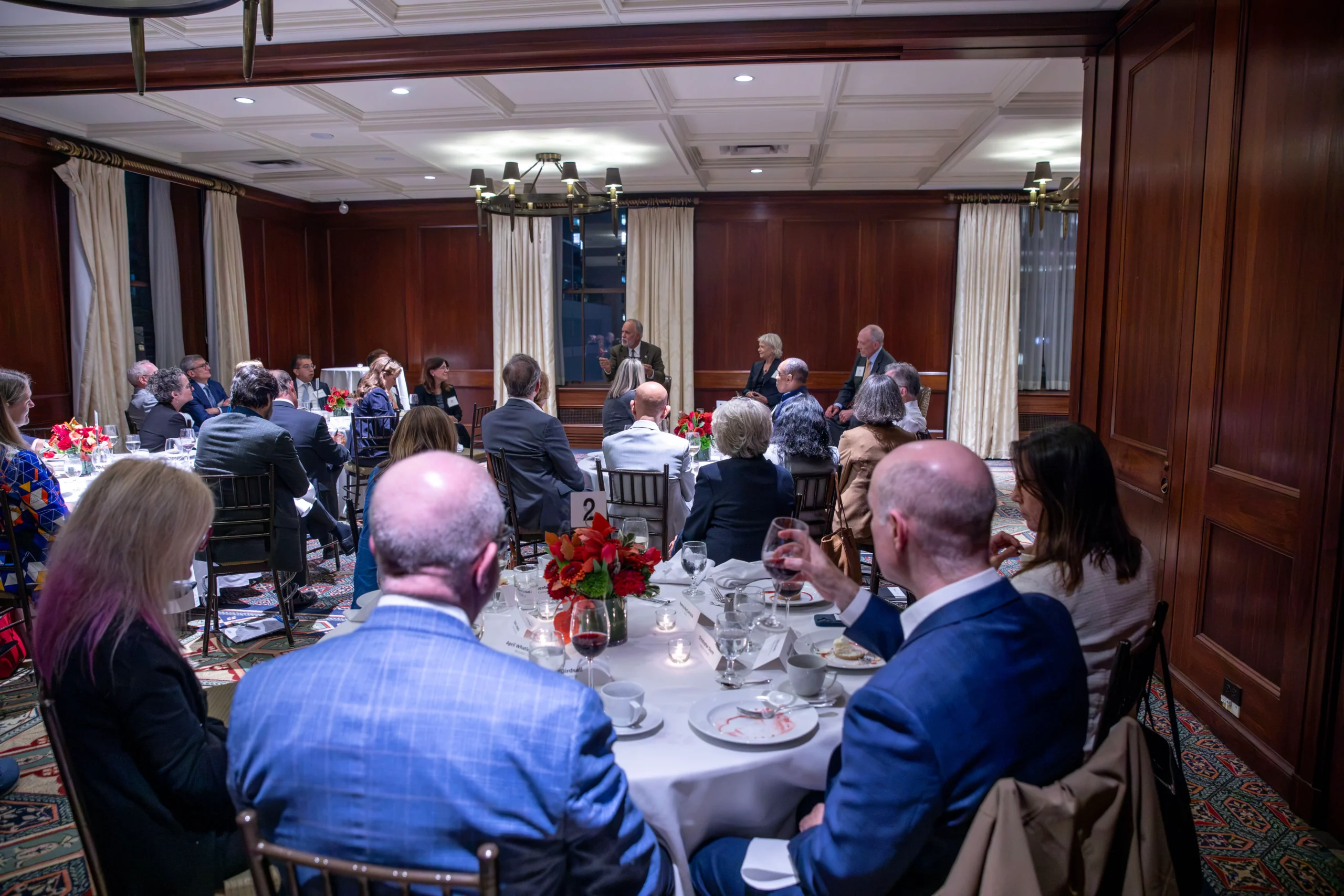
As a cohort of faculty approached their pinning ceremony, a celebration of the months of rigorous work required to complete the Effective Teaching Practices course and earn ACUE certification, SHSU’s Teaching & Learning Center sought to capture student perspectives that could illuminate what the data alone could not: how effective teaching was experienced in the classroom.
Turning to student voices
Adannaa Alexander, Clinical Associate Professor in the Department of Public Health and Associate Director of Development at the Teaching & Learning Center (TLC), hosts monthly meetings where faculty working through ACUE courses discuss their successes and challenges in putting new teaching practices to work.
“My instructors are working so hard to positively impact student learning,” Alexander shared. “And, in the midst of it, you wonder, is what I’m doing really helping?”

Her answer was simple: bring her instructors’ impact to life by asking students for their insight—a few sentences, with a specific example, on what their specific instructor has done that helped them learn.
Alexander’s request drew on the “Providing Useful Feedback” module in the ACUE course. “It’s important to identify strengths because it motivates learners to move forward,” she said. “My instructors are already thinking about ways to improve. They need to know the specific things that are working, so they can continue to include those practices in their teaching.”
While the process was simple, Alexander recalls it was also somewhat nerve-wracking. “When I hit the send button on those emails, I wondered, ‘what if no one responds? What if I can’t get responses for all my instructors’?”
Turns out her fear was unfounded. Within two minutes, responses started pouring in.
Recognizing faculty for exceptional teaching
Their testimonials were powerful.
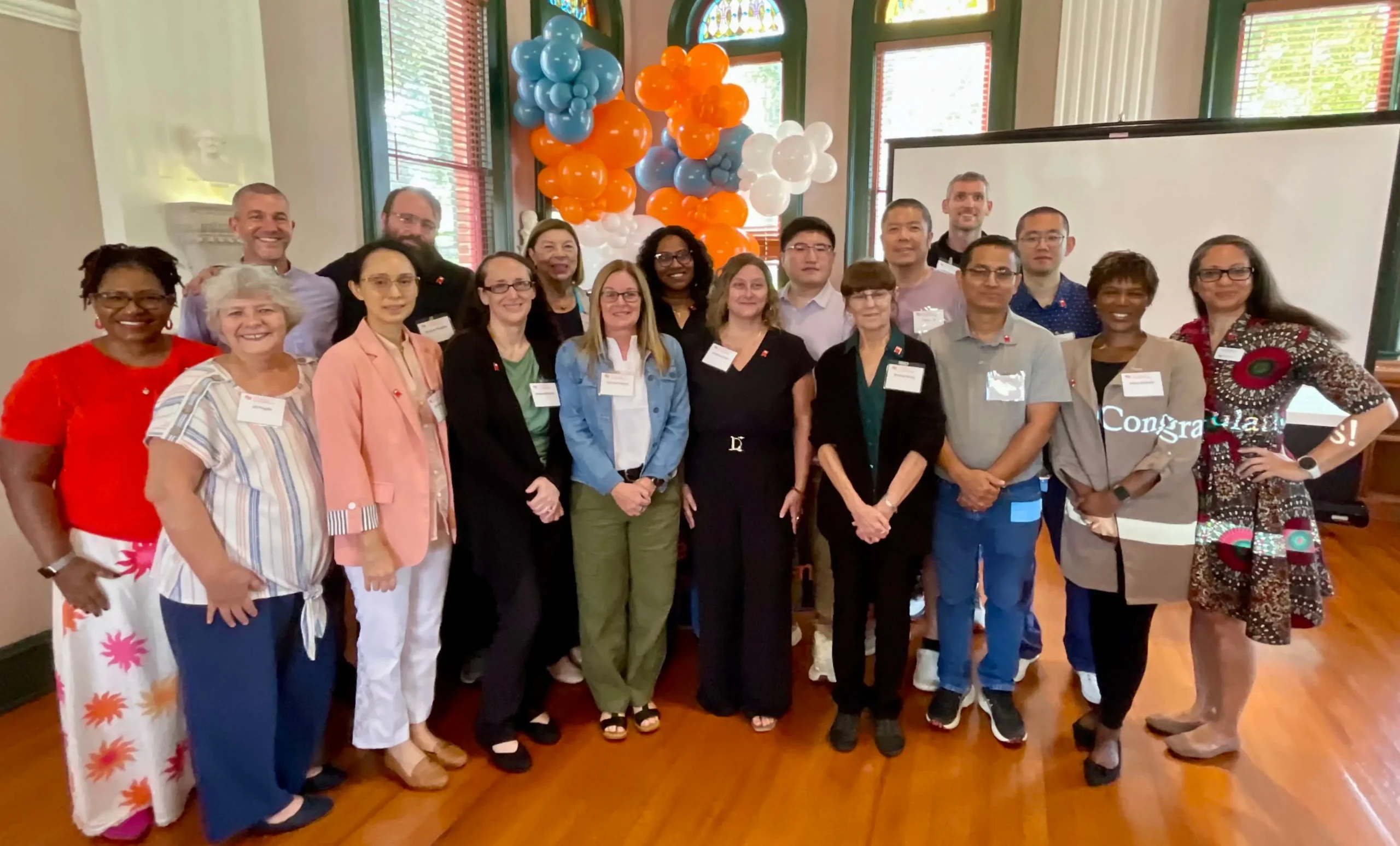
When Alexander read the testimonials aloud the day of the pinning ceremony, faculty were “a little nervous thinking of what students possibly said about them,” she said. But after the first one, the mood shifted and smiles spread across the room.
“I could feel the anticipation and excitement—not only from the instructors but from the whole room,” she said.
For instructors who had spent months refining their practice while wondering whether it showed, hearing students describe the impact in their own words provided the answer they had been looking for: They were making a tremendous impact.
Thinking back to the unexpected experience in her courses, Priya shared that her professor Ahmadu “had a way of breaking down complex topics into understandable, practical concepts that made the coursework feel relevant and engaging.” Priya added, “I especially appreciated how she connected budgeting and evaluation concepts to real public administration issues and real-life applications, which helped me become genuinely interested in subjects I once found intimidating.”
Another student, Liam, wrote that he came “from a very science-based and empirical way of thinking,” and initially found professor Thomas Meagher’s Philosophy course challenging. “Even when I struggled, I always felt supported and encouraged to participate,” he wrote. “I truly believe I became a stronger critical thinker because of his course.”
Ben was so intrigued by professor Haodi Jiang’s courses that he pursued a summer independent study in cryptography and network security with him as a mentor.
Another student, Andrea, pointed to the kind of practice that made such a difference: professor Anand Karki gave weekly quizzes that checked for understanding “to make sure we interacted with the information well before the exam.” She added that he presented the material “in a way that was exciting and easy to digest.”
When instructors heard these stories, “I could sense the pride and gratitude they felt,” Alexander said.
Amplifying student voice on your campus
Alexander sees the testimonials as a complement to the research, not a substitute for it. “Our own SHSU quantitative data shows that instructors who complete ACUE have a positive impact on student learning,” she said. “And now, we see students saying it for themselves.”
For faculty, hearing it directly from students carries a different weight. Much of the work of refining their teaching happens behind the scenes. When a student names the moment a course clicked instructors not only renew their sense of purpose in their work, but gain valuable insight into which teaching practices are landing.
Professor Ahmadu felt that firsthand. Feedback, like Priya’s, she shared, “gave me a chance to reflect on my own teaching and give myself a pat on the back for some of the things I have accomplished along the way.”
Alexander highly recommends that senior leaders from other institutions bring student voices into their own recognition efforts. “That data plus student voice gives a more holistic view of student success,” she said.
In the end, Alexander said, the response itself made the case: “Our students recognize great teaching when they see it.”
Editor’s note: Student pseudonyms were used to protect their privacy. Quotes are drawn from written testimonials students submitted to SHSU’s Teaching & Learning Center and are used with permission.